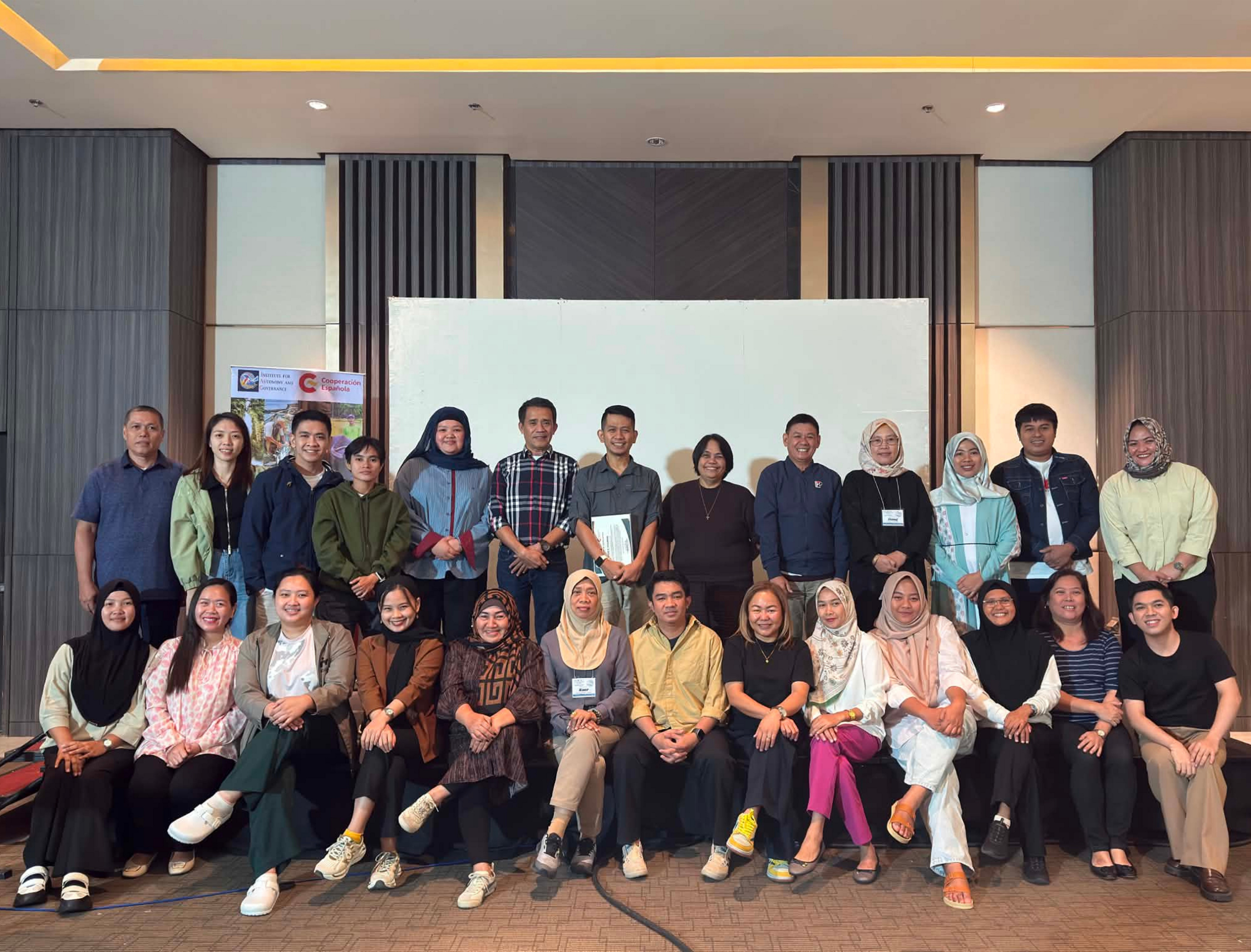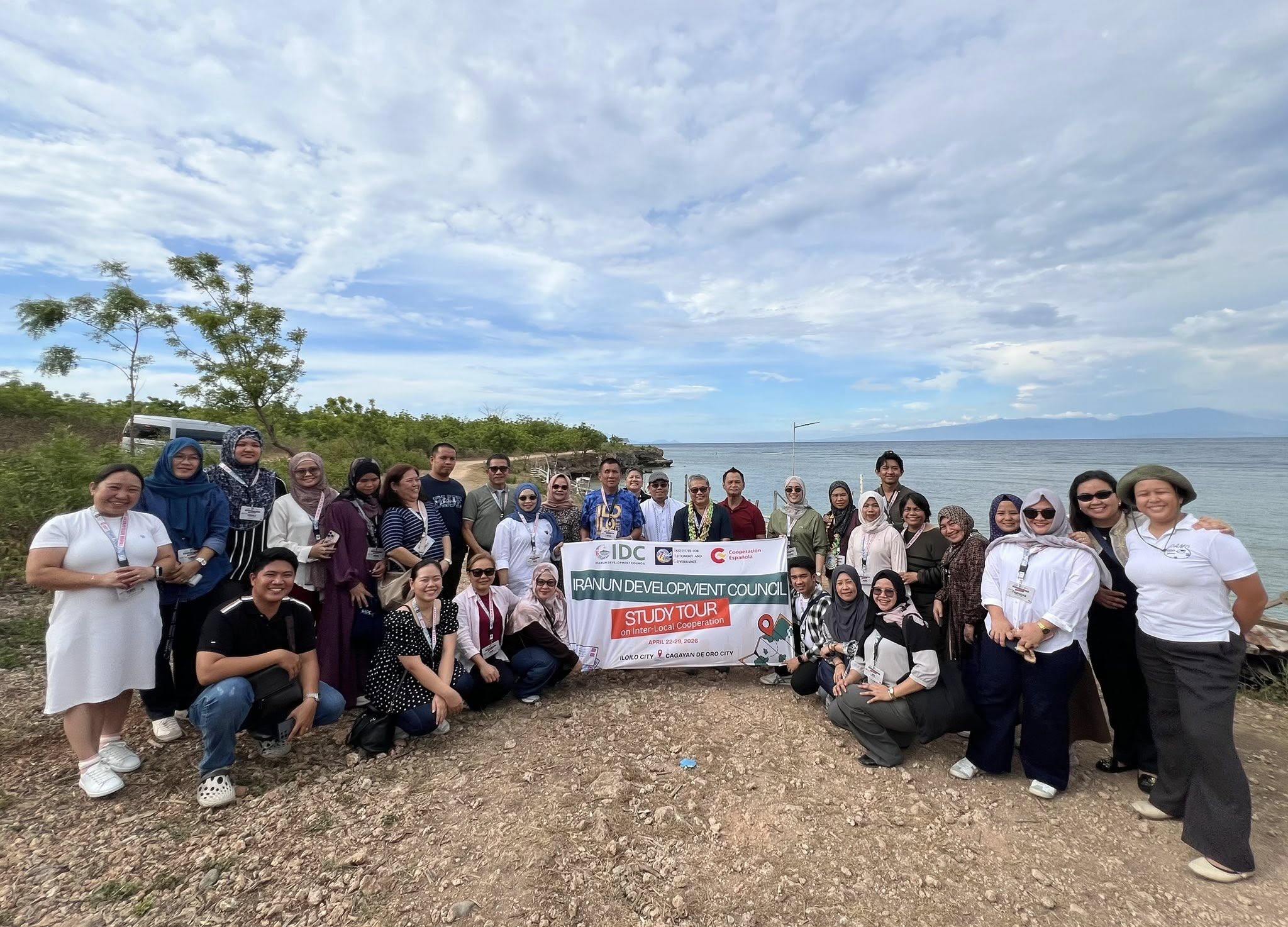
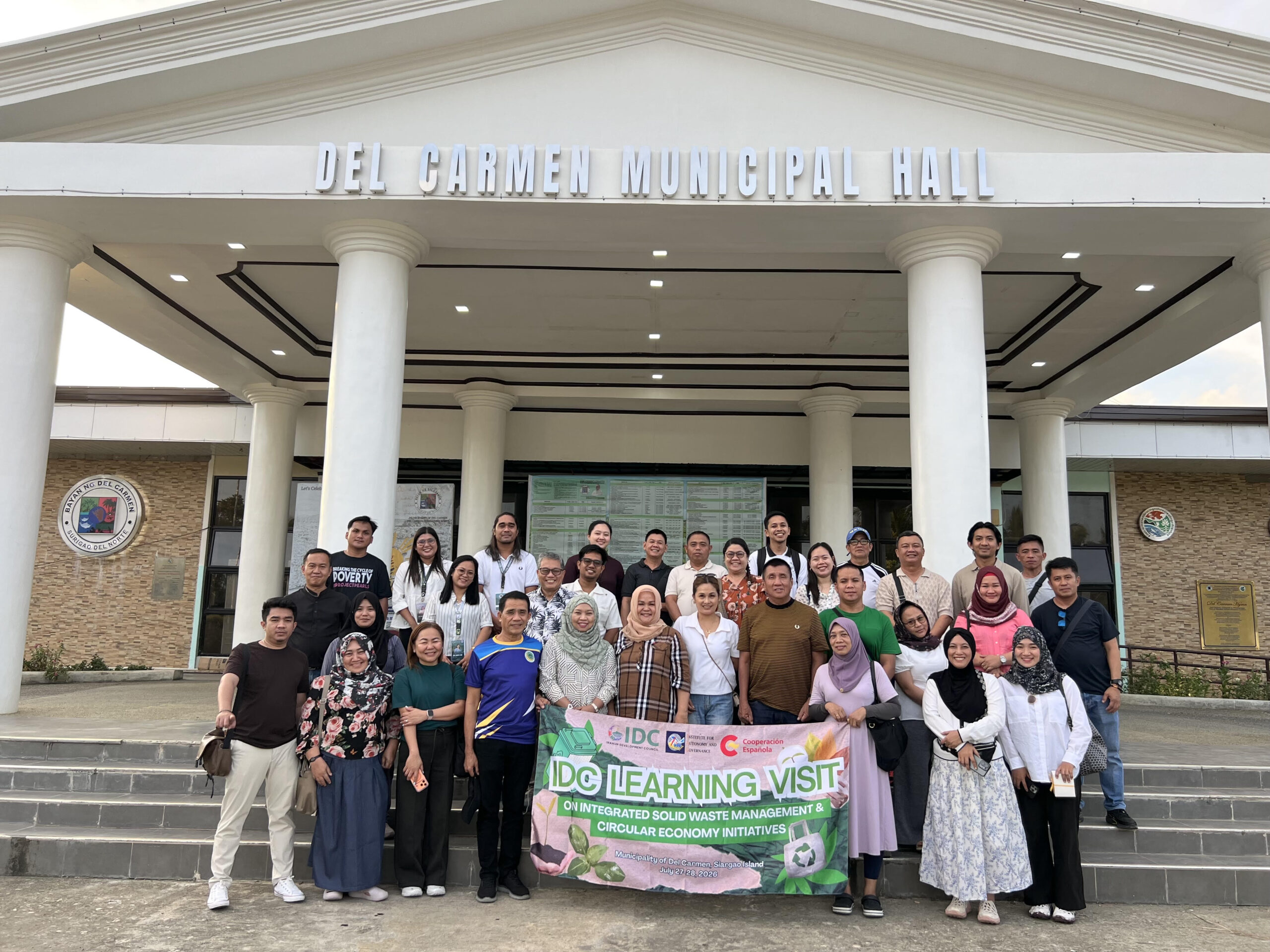
How does waste become a resource? How can environmental protection support livelihoods, strengthen communities, and promote a culture of sustainability and circularity? These were among the questions explored by the Iranun Development Council (IDC) delegates during a two-day Learning Visit on Integrated Solid Waste Management and the Circular Economy held on July 27–28, 2026, in the Municipality of Del Carmen, Siargao Island.
The learning visit, organized by the Institute for Autonomy and Governance (IAG) and supported by the Spanish Agency for International Development Cooperation (AECID) as part of its institutional strengthening project for the IDC, brought together mayors, municipal planning and environment officers, and IDC alliance management officers to benchmark Del Carmen’s innovative approaches to environmental governance and the circular economy.
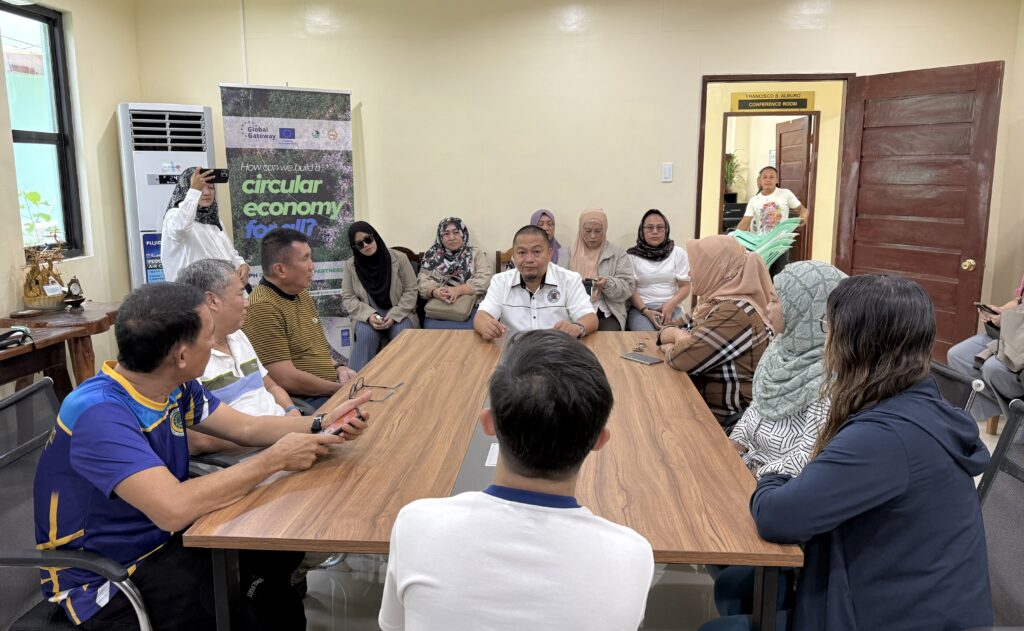
Del Carmen Mayor Alfredo Coro II welcomed the delegation warmly during a courtesy call, where he shared the municipality’s vision of transforming environmental challenges into opportunities for sustainable development. He emphasized that effective environmental stewardship necessitates strong local leadership, consistent policies, and active community participation. These principles have guided the municipality’s journey to becoming one of the country’s recognized models for integrated solid waste management.
Throughout the learning sessions, participants gained a better understanding of how Del Carmen has implemented a community-wide waste management strategy. Rather than treating waste solely as a disposal issue, the municipality has adopted circular economy principles such as maximizing material value, reducing waste generation, and creating opportunities for livelihoods and local enterprises.
One of the visit’s highlights was the presentation of the Circular Futures Program, during which the Local Youth Development Office (LYDO) demonstrated its innovative strategies for cultivating environmental responsibility in young people. The municipality has turned young people into advocates for proper waste segregation and circular economy practices through innovative information and education campaigns such as environmental TikTok challenges, school-based initiatives, and youth-led waste reduction project proposals. The program demonstrates that effective behavioral change begins with educating the next generation and empowering them to influence their families and communities.
The delegation also learned about community-based organizations that support the municipality’s environmental agenda. Representatives from Project PEARLS discussed how they collaborate with local communities to promote environmental awareness, creative recycling, sustainable fashion, and job opportunities while encouraging volunteerism and community participation. Meanwhile, iLAJA, Inc. demonstrated how strengthening local food systems, supporting farmers, and promoting sustainable businesses contribute to a more comprehensive circular economy that benefits both people and the environment.
Behavioral change emerged as one of Del Carmen’s strongest foundations for success. Through sustained public education campaigns, school engagement, partnerships with businesses, and consistent enforcement of environmental policies, the municipality has cultivated a culture in which waste segregation and responsible environmental practices have become shared community responsibilities rather than obligations of the local government alone.
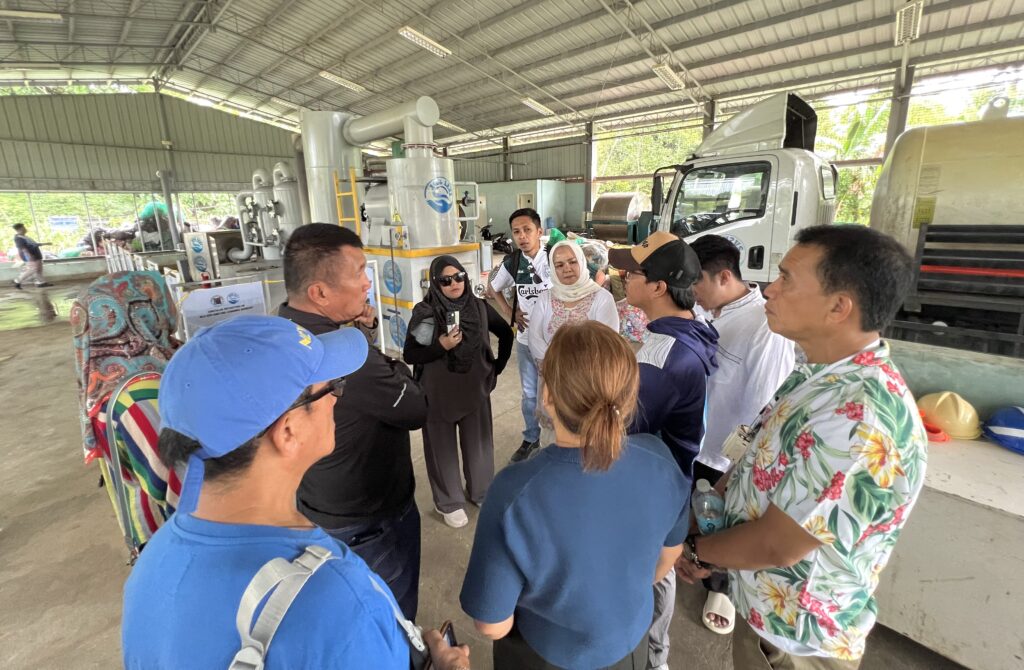
The delegation also visited Del Carmen’s Solid Waste Management Facility, where they observed the municipality’s integrated waste management strategy. The Waste-to-Fuel Facility is located on-site and converts non-recyclable plastic waste into alternative fuel using pyrolysis technology, demonstrating how residual waste can be transformed into a valuable resource. The site also houses a Septage Treatment Plant, which manages domestic wastewater by treating raw septage and converting it into recycled water for non-potable uses, demonstrating Del Carmen’s commitment to resource recovery and sustainability.
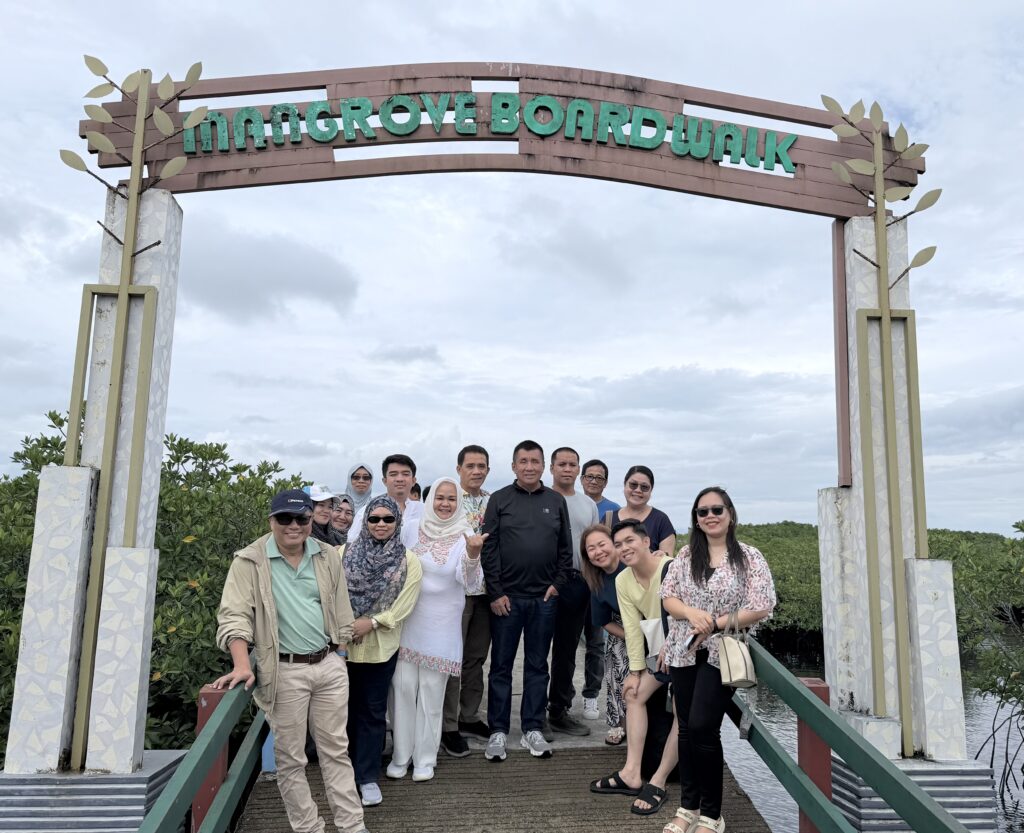
Beyond its waste management innovations, the delegation also visited the Del Carmen Mangrove Boardwalk, which traverses one of the country’s largest contiguous mangrove forests. The visit emphasized the municipality’s commitment to balancing environmental conservation and sustainable tourism.
Del Carmen teaches us that effective solid waste management goes beyond infrastructure and technology. Its success is built on visionary leadership, evidence-based policies, empowered communities, and strong collaboration between local governments, educational institutions, and development partners.
For IDC member municipalities, the learning visit provided more than just technical knowledge. It demonstrated how local governments can turn waste into opportunities by combining political will, community ownership, innovation, and collaboration.